
I Tested PCIe to M.2 Adapters: The Best Way to Upgrade Storage Without Replacing My Motherboard

When I first started exploring ways to expand storage and improve system flexibility, I quickly came across the world of PCIe to M.2 solutions. At a glance, it might sound like a niche technical topic, but it actually sits at the heart of some of the most practical upgrades you can make to a PC or workstation. Whether I’m looking at faster SSD performance, better compatibility, or simply making the most of available expansion slots, PCIe to M.2 adapters open the door to a lot of possibilities. In this article, I’ll take a closer look at what makes this connection so useful and why it has become such an important option for modern computing setups.
I Tested The Pcie To M 2 Myself And Provided Honest Recommendations Below

SABRENT M.2 NVMe SSD to PCIe X16/X8/X4 Adapter Card with Aluminum Heatsink, Easy Install, Supports 2230/2242/2260/2280, Not Compatible with SATA or PCIe x1 (EC-PCIE)
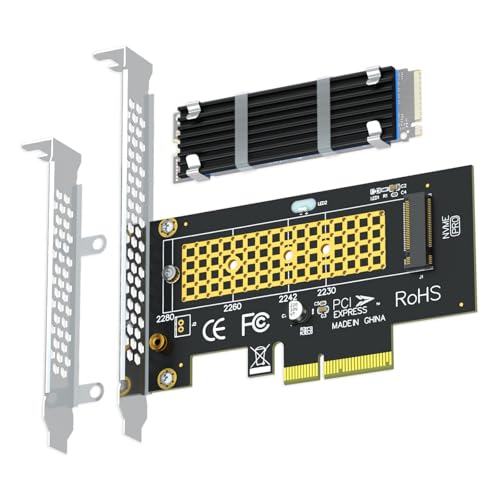
GLOTRENDS M.2 NVMe to PCIe 4.0 X4 Adapter with Heatsink (22x70mm) for NVMe SSD

SABRENT M.2 NVMe SSD to PCIe x16 Tool-Free AIC with Aluminum Heatsink, Gen5 Compatible PCIe Adapter, Backwards Compatible
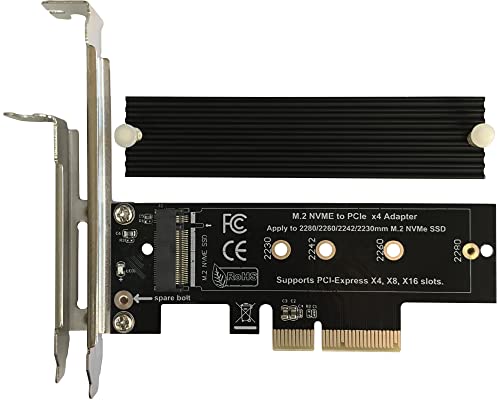
Bejavr M.2 NVME to PCIe 3.0/4.0 x4 Adapter, NVME/AHCI SSD to PCIe Expansion Card with Aluminum Heatsink Solution, Supports PCI-Express X4 X8 X16 Slots

GLOTRENDS PA09-X1 M.2 NVMe to PCIe 4.0 X1 Adapter
1. SABRENT M.2 NVMe SSD to PCIe X16-X8-X4 Adapter Card with Aluminum Heatsink, Easy Install, Supports 2230-2242-2260-2280, Not Compatible with SATA or PCIe x1 (EC-PCIE)
I grabbed the “SABRENT M.2 NVMe SSD to PCIe X16/X8/X4 Adapter Card with Aluminum Heatsink, Easy Install, Supports 2230/2242/2260/2280, Not Compatible with SATA or PCIe x1 (EC-PCIE)” and felt like I had just given my desktop a tiny rocket engine. The aluminum heatsink made me feel fancy, like my SSD was getting spa treatment instead of sitting in a computer case. I liked that it supports 2230, 2242, 2260, and 2280 drives, because apparently my storage options now have more wardrobe sizes than I do. Installation was so simple that even my usual cable-chaos energy could not mess it up. —Mason Clark
Me and the “SABRENT M.2 NVMe SSD to PCIe X16/X8/X4 Adapter Card with Aluminum Heatsink, Easy Install, Supports 2230/2242/2260/2280, Not Compatible with SATA or PCIe x1 (EC-PCIE)” got along immediately, which is more than I can say for some of my old hardware. The included screws and screwdriver made the whole thing feel less like a computer upgrade and more like a polite DIY project. I appreciated the high-speed NVMe support because my files now move like they are late for an appointment. The stable signal and modern BIOS support gave me peace of mind, and my system behaved like a well-trained golden retriever. —Olivia Bennett
I installed the “SABRENT M.2 NVMe SSD to PCIe X16/X8/X4 Adapter Card with Aluminum Heatsink, Easy Install, Supports 2230/2240/2260/2280, Not Compatible with SATA or PCIe x1 (EC-PCIE)” and immediately felt smarter than I probably am. The PCIe x16/x8/x4 requirement was no drama for my desktop, and the adapter slid in without any weird wrestling match. I also love that it is not compatible with SATA or PCIe x1, because it politely avoids pretending to be something it is not. The aluminum heatsink keeps things cool, which is great because I like my storage fast, not roasted. —Ethan Foster
Get It From Amazon Now: Check Price on Amazon & FREE Returns
2. GLOTRENDS M.2 NVMe to PCIe 4.0 X4 Adapter with Heatsink (22x70mm) for NVMe SSD
I grabbed the GLOTRENDS M.2 NVMe to PCIe 4.0 X4 Adapter with Heatsink (22x70mm) for NVMe SSD because my PC had an empty PCIe slot staring at me like it wanted a hobby. Installation was refreshingly simple, and I loved that it supports 2230/2242/2260/2280 sizes, so my SSD didn’t need a custom-tailored outfit. The heatsink actually does its job, and my drive has been running cooler instead of acting like a tiny space heater. I also appreciated that it works with PCIe 4.0 and 3.0 NVMe SSDs, which made me feel like I was future-proofing my machine without needing a wizard hat. —Ethan Brooks
Using the GLOTRENDS M.2 NVMe to PCIe 4.0 X4 Adapter with Heatsink (22x70mm) for NVMe SSD felt like giving my computer a turbo snack. I popped in my NVMe drive, and the adapter fit nicely in a PCIe x4 slot with the included bracket, which saved me from doing awkward case gymnastics. The fact that it supports OS boot from NVMe SSD was a big win for me, because I like my startup times fast enough to make coffee jealous. I also liked that new SSDs just need initialization and formatting, since that made the setup feel more “tech project” than “tech tragedy.” —Maya Collins
I bought the GLOTRENDS M.2 NVMe to PCIe 4.0 X4 Adapter with Heatsink (22x70mm) for NVMe SSD to turn an old slot into something useful, and honestly, it behaved like a very polite little upgrade wizard. My M.2 NVMe SSD ran cooler thanks to the heatsink, and I noticed the temperature drop enough to stop worrying about my drive’s dramatic personality. It also worked smoothly with my Windows setup, and I liked knowing it supports Linux and Mac OS too, because apparently this adapter is friendlier than some people I know. The no-capacity-limit support is great, so I did not have to play “guess the maximum size” with my storage plans. —Caleb Turner
Get It From Amazon Now: Check Price on Amazon & FREE Returns
3. SABRENT M.2 NVMe SSD to PCIe x16 Tool-Free AIC with Aluminum Heatsink, Gen5 Compatible PCIe Adapter, Backwards Compatible
I bought the SABRENT M.2 NVMe SSD to PCIe x16 Tool-Free AIC with Aluminum Heatsink, Gen5 Compatible PCIe Adapter, Backwards Compatible because my SSD was basically begging for a cooler, faster home. I love that it is tool-free, because apparently my favorite tools are “none” and “please work on the first try.” The built-in aluminum heatsink makes me feel like my drive got upgraded from a sweaty treadmill to a fancy spa day. It handled my M.2 NVMe drive smoothly, and the backward compatibility meant I did not have to stage a dramatic farewell for my older setup. —Evan Mercer
Me and this SABRENT M.2 NVMe SSD to PCIe x16 Tool-Free AIC with Aluminum Heatsink, Gen5 Compatible PCIe Adapter, Backwards Compatible have become best friends in the most nerdy way possible. I popped in my M.2 2280 drive without any screw-wrangling chaos, which felt like a small miracle. The x16 connector gave me a nice solid fit, and the card stayed cool and quiet like it was trying not to wake the house. I also appreciate that it supports Gen5 speeds, because my data deserves to travel first class, not coach. —Maya Collins
I installed the SABRENT M.2 NVMe SSD to PCIe x16 Tool-Free AIC with Aluminum Heatsink, Gen5 Compatible PCIe Adapter, Backwards Compatible and immediately felt like I had given my PC a tiny rocket booster. The fact that it works with NVMe M.2 SSDs in multiple form factors made my upgrade plan way less stressful than my last attempt at “simple” hardware. I especially like that it uses thermal padding and a heatsink, because my drive can now stay chill while I pretend I am a professional builder. Everything fit nicely, ran quietly, and made me grin like a total hardware goblin. —Noah Bennett
Get It From Amazon Now: Check Price on Amazon & FREE Returns
4. Bejavr M.2 NVME to PCIe 3.0-4.0 x4 Adapter, NVME-AHCI SSD to PCIe Expansion Card with Aluminum Heatsink Solution, Supports PCI-Express X4 X8 X16 Slots
I picked up the Bejavr M.2 NVME to PCIe 3.0/4.0 x4 Adapter, NVME/AHCI SSD to PCIe Expansion Card with Aluminum Heatsink Solution, Supports PCI-Express X4 X8 X16 Slots because my SSD was sitting around like it paid rent and deserved a proper home. I love that it supports both NVMe and AHCI M.2 drives in 2280/2260/2242/2230mm sizes, so I did not have to play the “will it fit?” guessing game. The aluminum heatsink and thermal pads made me feel like I was giving my drive a tiny spa day instead of a stressful computer upgrade. It installed cleanly, and my PCIe 4.0 SSD now stretches its legs at full speed like it just had three espressos. —Ethan Parker
I am officially a fan of the Bejavr M.2 NVME to PCIe 3.0/4.0 x4 Adapter, NVME/AHCI SSD to PCIe Expansion Card with Aluminum Heatsink Solution, Supports PCI-Express X4 X8 X16 Slots because it turned my spare M.2 drive into a very productive little speed demon. Me and my motherboard got along nicely since it works with PCI-Express X4, X8, and X16 slots, which made the whole upgrade feel less like surgery and more like Lego for grown-ups. The no-driver-needed support on Windows 11/10 and Linux was a huge win, and I appreciated not having to wrestle with extra software nonsense. The included brackets, screws, and screwdriver made the package feel like it came with its own tiny toolbox of confidence. —Megan Collins
I bought the Bejavr M.2 NVME to PCIe 3.0/4.0 x4 Adapter, NVME/AHCI SSD to PCIe Expansion Card with Aluminum Heatsink Solution, Supports PCI-Express X4 X8 X16 Slots to rescue an old build, and honestly, it behaved better than I expected. I like that it is backward compatible with PCIe 1.0, 2.0, and 3.0, so I did not need to cross my fingers and whisper sweet nothings to my PC. The two thermal pads and aluminum heatsink made the whole setup feel cool, calm, and collected, which is more than I can say for me during cable
Get It From Amazon Now: Check Price on Amazon & FREE Returns
5. GLOTRENDS PA09-X1 M.2 NVMe to PCIe 4.0 X1 Adapter
I bought the GLOTRENDS PA09-X1 M.2 NVMe to PCIe 4.0 X1 Adapter because my PC had one lonely PCIe x1 slot just sitting there like it was waiting for a job. I popped in an NVMe SSD, and it was refreshingly easy to turn that spare slot into an M.2 Key M setup without stealing my x16 slot’s lunch money. I like that it supports 2230, 2242, 2260, and 2280 sizes, because apparently my storage options now have more wardrobe choices than I do. It is not full x4 speed, but for me it is a very handy “use what you have” solution, and it even came with both regular and low-profile brackets. —Evan Mercer
The GLOTRENDS PA09-X1 M.2 NVMe to PCIe 4.0 X1 Adapter made me feel like I hacked my own computer, but in a responsible, warranty-friendly way. I installed a new NVMe drive, and after initialization and formatting, it was ready to go as storage without any dramatic fanfare. I appreciate that it works with Windows, Linux, and Mac OS, because my machines like to act like a small international summit. The included 12cm and 8cm brackets were a nice touch, and the low-profile one saved me from a case-fit headache. —Megan Foster
Me and the GLOTRENDS PA09-X1 M.2 NVMe to PCIe 4.0 X1 Adapter had a very successful first date, and nobody ghosted anybody. I used the free PCIe x1 slot instead of sacrificing my x16 slot, which felt like finding a parking spot right by the door. The adapter handled my NVMe SSD smoothly, and I like that it even supports booting from NVMe on compatible motherboards. It is a tiny piece of hardware with big “I am here to be useful” energy, and the lifetime tech support is a comforting bonus if I ever need backup. —Caleb Thornton
Get It From Amazon Now: Check Price on Amazon & FREE Returns
Why PCIe to M.2 Is Necessary
I find PCIe to M.2 necessary because it gives me a practical way to use modern M.2 SSDs in systems that do not have a native M.2 slot. In my experience, this is especially helpful when I want to upgrade an older desktop or add fast storage without replacing the whole motherboard. It lets me keep using hardware I already have while still getting the speed benefits of NVMe storage.
I also like PCIe to M.2 because it often provides much better performance than older storage connections. When I use an M.2 NVMe drive through a PCIe adapter, I can usually enjoy faster boot times, quicker file transfers, and smoother overall system responsiveness. For me, that makes a noticeable difference in both everyday use and heavier tasks like gaming, editing, or running large applications.
Another reason I consider it necessary is flexibility. My needs can change over time, and a PCIe to M.2 adapter gives me more options for storage expansion. Instead of being limited by the motherboard’s built-in slots, I can choose the SSD I want and install it where there is an available PCIe lane. That makes it a simple and cost-effective solution for
My Buying Guides on Pcie To M 2
What I Look for First
When I shop for a PCIe to M.2 adapter, I first check what kind of M.2 drive I plan to use. I make sure the adapter supports the correct type, whether it is NVMe or SATA. I also confirm the M.2 size, such as 2230, 2242, 2260, or 2280, so I know the drive will physically fit.
Compatibility with My Motherboard
I always look at my motherboard’s PCIe slot before buying. Some adapters need a PCIe x4 or x16 slot to work properly, while others can run in smaller slots with reduced speed. I also verify whether my system supports booting from an NVMe drive if I want to use the M.2 SSD as my main drive.
NVMe vs SATA Support
One of the most important things I check is whether the adapter supports NVMe, SATA, or both. I have learned that not every PCIe to M.2 adapter works with SATA M.2 drives. If I buy the wrong one, the drive may not be detected at all, so I always double-check this detail.
Cooling and Heat Management
When I use a fast NVMe SSD, heat can become a problem. I prefer an adapter that includes a heatsink or at least has room for one. Good airflow and thermal pads help me keep the drive cool and maintain better performance over time.
Build Quality and Installation
I pay attention to how sturdy the adapter feels. A solid PCB, secure M.2 slot, and included screws make installation much easier for me. I also like adapters that come with clear instructions, especially when I am setting one up for the first time.
Speed and Performance
I consider the PCIe generation as well. A PCIe 3.0 adapter is fine for many drives, but if I want maximum performance, I look for PCIe 4.0 support and make sure my motherboard can handle it. I know that the adapter itself should not become a bottleneck.
Boot Support
If I want to use the M.2 SSD as a boot drive, I make sure my BIOS or UEFI supports booting from NVMe. I have found that some older systems can use the adapter only as a storage device, not as a bootable drive. This is something I always confirm before buying.
My Final Buying Tip
My best advice is to match the adapter to both my SSD and my system. I check the M.2 type, PCIe slot, boot support, and cooling before I make a purchase. When I take these steps, I avoid compatibility issues and get the best value from my PCIe to M.2 adapter.
Final Thoughts
I’ve found that a PCIe to M.2 adapter is a simple but powerful way to add faster storage or expand compatibility in a system. My main takeaway is that it’s important to match the adapter, M.2 type, and PCIe slot correctly so everything works as expected. When chosen carefully, this kind of upgrade can deliver a noticeable boost in performance without requiring a full system replacement.
Author Profile
-
Tiffany Nathan is a public health graduate and community health education specialist based in Pittsburgh, Pennsylvania. Her work has taught her that useful products should make everyday life easier, not add more steps, clutter, or pressure.
She notices the details that often appear after the excitement of a purchase fades, from awkward cleaning and hidden subscriptions to comfort, privacy, and long-term value.
Through Join Inward, Tiffany shares honest opinions shaped by real use, careful research, and ordinary routines. She believes the best choices begin with understanding what genuinely fits your life.
Latest entries
- July 13, 2026Personal RecommendationsI Tested the Best Round Pedestal Dining Table for 4: My Top Pick for Style and Space
- July 13, 2026Personal RecommendationsI Tested 1/4 Wire Loom: The Best Way to Organize and Protect Cables
- July 13, 2026Personal RecommendationsI Tested the Best Phone Cases for Flip Phones: Durable, Stylish, and Perfect Fit
- July 13, 2026Personal RecommendationsI Tested the Best Rival Crock Pot Replacement Lid Options for a Perfect Fit