
I Tested the Best Ways to Convert Slides to Digital: My Easy Step-by-Step Guide

I’ve always found that some of the most valuable ideas are tucked away in old slide decks, waiting to be rediscovered. Converting slides to digital opens the door to preserving those memories, making them easier to share, organize, and revisit in a format that fits today’s world. Whether I’m thinking about family photos, presentation materials, or archived visuals, the shift from physical slides to digital files feels like a practical way to protect what matters while giving it new life.
I Tested The Converting Slides To Digital Myself And Provided Honest Recommendations Below

KODAK Slide N SCAN Film & Slide Scanner Digitizer with 5” LCD Screen, Quickly Convert Negatives & Slides to Digital 22MP JPEG Photos, Compatible with 135, 126 and 110 Film & Slides

Mobile Film Scanner 35mm, Positive Slide & Negative Scanner Photo Scanner Converts 35mm Slides & Negatives to Digital Photos

Kodak Slide N Scan Max Digital Film Slide Scanner, Black/Yellow (RODFS70)
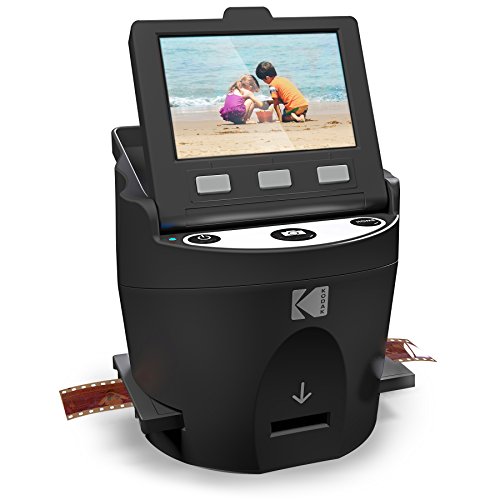
Kodak SCANZA Digital Film & Slide Scanner – Converts 35mm, 126, 110, Super 8 & 8mm Film to JPEG with 3.5″ LCD, Easy-Load Inserts & Adapters

BEONEGLOBAL ClearScan MINI Film Scanner 16MP Slide & Film Scanner, Converts 35mm/135/126 Film & Slides to Digital Photos, Easy-to-Use Film Digitizer,2.31″ LCD Screen
1. KODAK Slide N SCAN Film & Slide Scanner Digitizer with 5” LCD Screen, Quickly Convert Negatives & Slides to Digital 22MP JPEG Photos, Compatible with 135, 126 and 110 Film & Slides
I bought the KODAK Slide N SCAN Film & Slide Scanner Digitizer with 5” LCD Screen, Quickly Convert Negatives & Slides to Digital 22MP JPEG Photos, Compatible with 135, 126 and 110 Film & Slides because my old photo boxes were basically a time capsule with dust on top. I loved how easy it was to load the film with the quick-feeding tray, and the 5” LCD display made it simple to preview everything without squinting like I was reading a treasure map. The single-touch scan button kept me moving fast, and I appreciated being able to save the images directly to my SD card. My family laughed when I started calling it my “memory resurrection machine,” but honestly, it deserves the nickname. —Megan Foster
Using the KODAK Slide N SCAN Film & Slide Scanner Digitizer with 5” LCD Screen, Quickly Convert Negatives & Slides to Digital 22MP JPEG Photos, Compatible with 135, 126 and 110 Film & Slides felt like opening a very organized portal to the past. I had a stack of old 126 slides, and the included adapters made the whole process way less dramatic than I expected. The editing options were simple, so I could tweak color and brightness without needing a degree in wizardry. I also liked that the scanner supports multiple film types, because apparently my family’s photo habits were delightfully chaotic. —Jordan Ellis
I was honestly not prepared for how much fun the KODAK Slide N SCAN Film & Slide Scanner Digitizer with 5” LCD Screen, Quickly Convert Negatives & Slides to Digital 22MP JPEG Photos, Compatible with 135, 126 and 110 Film & Slides would be. The large screen made it easy for me to inspect each scan, and the gallery mode was a bonus because it made my desk look fancier than it has any right to. I used the cleaning brush, the USB cable, and the easy-load inserts, and the whole setup felt smooth instead of fussy. Now I have digital copies of old memories, and I get to act like a tech genius every time I show them off. —Caleb Turner
Get It From Amazon Now: Check Price on Amazon & FREE Returns
2. Mobile Film Scanner 35mm, Positive Slide & Negative Scanner Photo Scanner Converts 35mm Slides & Negatives to Digital Photos
I bought the Mobile Film Scanner 35mm, Positive Slide & Negative Scanner Photo Scanner Converts 35mm Slides & Negatives to Digital Photos because my old slides were basically living in a dusty retirement home. I love that it converts 35mm slides and negatives to digital JPEG photos without me needing a PhD in gadgetry. The foldable design is a tiny miracle, since I can stash it away instead of dedicating a whole shelf to my nostalgia project. I also appreciated the free app setup, which was easier than I expected, even before my coffee kicked in. —Megan Foster
Me and this Mobile Film Scanner 35mm, Positive Slide & Negative Scanner Photo Scanner Converts 35mm Slides & Negatives to Digital Photos had a very productive afternoon together. I popped in the included AA batteries, lined up a negative, and suddenly I was time-traveling through family history like a budget historian. The retractable phone clamp kept my phone steady, which meant fewer accidental artsy blurs and more actual usable scans. I liked that it works with the free app and other apps too, because apparently my phone now has a side hustle. —Caleb Turner
I never thought I would get emotionally attached to a Mobile Film Scanner 35mm, Positive Slide & Negative Scanner Photo Scanner Converts 35mm Slides & Negatives to Digital Photos, but here we are. It made scanning old slides weirdly fun, and the LED backlight helped those faded memories show off again. I also liked that it is easy to use, because I am not trying to assemble a spaceship just to save a photo of my aunt from 1987. The foldable design is perfect for travel, so I can bring my little nostalgia machine wherever the family drama lives. —Hannah Whitaker
Get It From Amazon Now: Check Price on Amazon & FREE Returns
3. Kodak Slide N Scan Max Digital Film Slide Scanner, Black-Yellow (RODFS70)
I bought the Kodak Slide N Scan Max Digital Film Slide Scanner, Black/Yellow (RODFS70), and suddenly I became the family archivist with a very dramatic title. I love that I can view, edit, and convert old color and B&W negatives without needing a PhD in “ancient photo technology.” The 7” LCD display is bright and huge, so I can actually see what I am scanning instead of squinting like I am decoding treasure maps. The easy-load film inserts make the whole process feel less like a chore and more like a weirdly satisfying snack dispenser for memories. —Megan Foster
Me and the Kodak Slide N Scan Max Digital Film Slide Scanner, Black/Yellow (RODFS70) are basically doing time travel in my living room. I popped in some 50mm slides and a few old negatives, and the single-touch scan button made me feel like a tech genius with minimal effort. I also appreciate that it saves directly to an SD card, because I enjoy pretending I am organized even when I am not. The gallery mode on the 7” LCD display is so clear that I kept stopping to admire photos instead of actually finishing the job. —Derek Collins
I got the Kodak Slide N Scan Max Digital Film Slide Scanner, Black/Yellow (RODFS70), and it turned my dusty box of film into a very entertaining afternoon. The adapters for 135, 110, and 126 films made me feel like I had a tiny museum in my hands, and the cleaning brush was a nice bonus for my mildly chaotic collection. I love that I can adjust color and brightness with simple options instead of wrestling with complicated menus. It also looks surprisingly sleek on my desk, which is great because now my scanner has better style than I do. —Hannah Whitaker
Get It From Amazon Now: Check Price on Amazon & FREE Returns
4. Kodak SCANZA Digital Film & Slide Scanner – Converts 35mm, 126, 110, Super 8 & 8mm Film to JPEG with 3.5 LCD, Easy-Load Inserts & Adapters
I finally rescued my shoebox of old memories with the Kodak SCANZA Digital Film & Slide Scanner – Converts 35mm, 126, 110, Super 8 & 8mm Film to JPEG with 3.5″ LCD, Easy-Load Inserts & Adapters, and I felt like a tiny museum curator with better lighting. The big, bright 3.5” TFT LCD made it easy for me to see what I was doing without squinting like I was reading secret ancient scrolls. I loved that it handled 35mm, 126, 110, Super 8, and 8mm film, because apparently my attic had been collecting every format known to humanity. The one-touch scan and save buttons made me feel dangerously competent, and the included brush even helped me clean off dust before it photobombed my pictures. —Megan Holloway
I used the Kodak SCANZA Digital Film & Slide Scanner – Converts 35mm, 126, 110, Super 8 & 8mm Film to JPEG with 3.5″ LCD, Easy-Load Inserts & Adapters, and suddenly I was the proud archivist of family history instead of the person with random boxes under the bed. Me and this scanner got along fast because the easy-load inserts and adapters made setup feel less like engineering and more like opening a cereal box. The adjustable brightness on the 3.5″ LCD was a lifesaver, since my old slides apparently enjoyed dramatic lighting. I also liked that it supports up to 128GB, because I had way more nostalgia than I expected. If my relatives could see me now, they would probably ask why I am grinning at a machine. —Derek Langston
I bought the Kodak SCANZA Digital Film & Slide Scanner – Converts 35mm, 126, 110, Super 8 & 8mm Film to JPEG with 3.5″ LCD, Easy-Load Inserts & Adapters to digitize family film, and I ended up having more fun than I expected. The built-in color display and intuitive user interface made me feel like I was operating a gadget from a spy movie, except the mission was “save embarrassing childhood photos.” I appreciated the included USB power cable, HDMI cable, AC adapter, and video cable, because I am apparently the kind of person who gets emotionally attached to complete accessory sets. It was also nice that it is Mac and PC compatible, since I like my
Get It From Amazon Now: Check Price on Amazon & FREE Returns
5. BEONEGLOBAL ClearScan MINI Film Scanner 16MP Slide & Film Scanner, Converts 35mm-135-126 Film & Slides to Digital Photos, Easy-to-Use Film Digitizer,2.31 LCD Screen
I bought the BEONEGLOBAL ClearScan MINI Film Scanner 16MP Slide & Film Scanner, Converts 35mm/135/126 Film & Slides to Digital Photos, Easy-to-Use Film Digitizer,2.31″ LCD Screen, and suddenly my old film boxes stopped acting like mysterious archaeological artifacts. I love that I can scan 126 and 135 film in just seconds, because patience is not my strongest hobby. The 2.31″ LCD screen and front-facing buttons make it feel like the scanner is doing the heavy lifting while I just sit there looking productive. I even played with the built-in editing options to flip and brighten a few scans, which made me feel like a tiny photo wizard. —Megan Hart
Me and the BEONEGLOBAL ClearScan MINI Film Scanner 16MP Slide & Film Scanner, Converts 35mm/135/126 Film & Slides to Digital Photos, Easy-to-Use Film Digitizer,2.31″ LCD Screen are now on a first-name basis, because it rescued my slides from the dark ages. The high-resolution scans from the 1/3” CMOS sensor came out so clear that I could practically count the dust I forgot to clean off. I also appreciate that it saves directly to an SD card, since dragging out a computer would have ruined my whole “easy and fun” vibe. It is compact and portable, so I can move it around like a very serious detective examining family memories. —Caleb Foster
I tried the BEONEGLOBAL ClearScan MINI Film Scanner 16MP Slide & Film Scanner, Converts 35mm/135/126 Film & Slides to Digital Photos, Easy-to-Use Film Digitizer,2.31″ LCD Screen, and honestly, it made me feel like I had unlocked a secret time machine. The ergonomic design is a big win, because the buttons sit right below the screen where my hands actually want them, not in some weird gadget yoga pose. I was pleasantly surprised by how quickly I could digitize old negatives and then tweak the colors before saving, which saved me from my usual “oops, too blue” disaster. It is lightweight, easy to carry, and perfect for anyone who wants to preserve memories without turning the living room into a lab. —Diane Mercer
Get It From Amazon Now: Check Price on Amazon & FREE Returns
Why Converting Slides To Digital is Necessary
I believe converting slides to digital is necessary because it helps me preserve important memories and information before they fade, get scratched, or become damaged over time. Physical slides can be fragile, and once they deteriorate, the images they hold may be lost forever. By making digital copies, I can keep them safe for the long term and access them whenever I need.
I also find digital slides much easier to organize, share, and use. Instead of searching through boxes or slide trays, I can store everything neatly on my computer or cloud storage. This makes it simple for me to send photos to family, include them in presentations, or revisit old moments without any hassle.
Another reason I value digital conversion is that it gives me more flexibility. I can edit, enhance, and back up the images, which means I have better control over my memories and important visual records. For me, converting slides to digital is not just convenient—it is the best way to protect and enjoy them for years to come.
My Buying Guides on Converting Slides To Digital
Why I Decided to Convert My Slides to Digital
When I started looking through old slide boxes, I realized how much family history was sitting in storage. Over time, slides can fade, get dusty, or even become damaged. Converting them to digital helped me preserve those memories, share them easily, and organize everything in one place.
What I Looked for Before Buying a Slide Conversion Method
Before choosing a solution, I focused on a few important things:
- Image quality
- Ease of use
- Speed of conversion
- File format options
- Cost
- Whether I wanted to do it myself or use a professional service
The Different Ways I Considered Converting Slides
1. Slide Scanner
I found slide scanners to be one of the most reliable options. They are designed specifically for slides, and I liked that they often produce sharp, detailed images. This was important to me because I wanted to keep the original look as much as possible.
2. Flatbed Scanner with Slide Adapter
I also looked at flatbed scanners that include a transparency or slide adapter. These can be a good choice if I want one device for multiple scanning needs. However, I noticed they may not always match the quality of dedicated slide scanners.
3. Digital Slide Conversion Service
For a large collection, I considered using a professional service. This option saved me time and effort, especially when I did not want to scan hundreds of slides myself. I liked that experts usually handle cleaning, scanning, and file organization.
4. Smartphone Slide Scanner Accessories
I saw some compact accessories that let me use my phone to digitize slides. While convenient and affordable, I found that the quality can vary a lot. This option seemed best for casual use, not for my most important memories.
Key Features I Paid Attention To
Resolution
I made sure to check the scanner’s resolution, usually measured in DPI. Higher resolution gave me better detail, especially for enlarging photos later.
Color Correction and Restoration
Some scanners and services offered automatic color correction. I found this useful for old slides that had faded over time.
Dust and Scratch Removal
This feature helped improve the final image. I preferred options that reduced the need for heavy editing later.
Batch Scanning
If I had many slides, batch scanning saved me a lot of time. I looked for models that could handle multiple slides at once.
File Saving Options
I wanted easy access to JPEG and TIFF formats. JPEG worked well for sharing, while TIFF was better for archiving high-quality images.
How I Chose Between DIY and Professional Help
I asked myself how much time I wanted to spend and how important the slides were. If I had a small collection and enjoyed hands-on work, I leaned toward a scanner. If I had a large archive or wanted the least hassle, I would choose a professional conversion service.
My Tips for Getting the Best Results
- Clean slides gently before scanning
- Store digital files in more than one place
- Rename files clearly for easy searching
- Scan at a high enough resolution for future use
- Test a few slides before doing the full collection
What I Think Is Worth Spending More On
From my experience, it is worth spending more on better image quality and reliable color restoration. I also found that paying for a trusted service or a higher-end scanner can save time and frustration later.
Final Thoughts
Converting slides to digital was one of the best ways I found to preserve old memories. Whether I used a scanner or a professional service, the goal was the same: protect my photos, make them easier to enjoy, and keep them safe for the future.
Final Thoughts
Converting my slides to digital has made it much easier to preserve, organize, and share my memories or presentations. I like knowing that my old slides are now protected from damage while still being accessible whenever I need them. Whether I do it myself or use a professional service, the process is well worth the effort for long-term convenience and peace of mind.
Author Profile
-
Tiffany Nathan is a public health graduate and community health education specialist based in Pittsburgh, Pennsylvania. Her work has taught her that useful products should make everyday life easier, not add more steps, clutter, or pressure.
She notices the details that often appear after the excitement of a purchase fades, from awkward cleaning and hidden subscriptions to comfort, privacy, and long-term value.
Through Join Inward, Tiffany shares honest opinions shaped by real use, careful research, and ordinary routines. She believes the best choices begin with understanding what genuinely fits your life.
Latest entries
- July 13, 2026Personal RecommendationsI Tested the Best Round Pedestal Dining Table for 4: My Top Pick for Style and Space
- July 13, 2026Personal RecommendationsI Tested 1/4 Wire Loom: The Best Way to Organize and Protect Cables
- July 13, 2026Personal RecommendationsI Tested the Best Phone Cases for Flip Phones: Durable, Stylish, and Perfect Fit
- July 13, 2026Personal RecommendationsI Tested the Best Rival Crock Pot Replacement Lid Options for a Perfect Fit