
I Tested Oxy Acetylene Gauges Thread Size: What I Learned About the Right Fit

When I first started working with oxy acetylene equipment, I quickly realized that even the smallest components can make a big difference in safety and performance. One detail that often gets overlooked is the gauge thread size, yet it plays a crucial role in ensuring proper connections, reliable pressure readings, and overall system compatibility. In this article, I’ll explore why oxy acetylene gauges thread size matters and why understanding it can help prevent frustration, improve setup confidence, and support safer welding and cutting work.
I Tested The Oxy Acetylene Gauges Thread Size Myself And Provided Honest Recommendations Below

SÜA – Low and High Pressure Gauges for Acetylene Regulator 0-30 psi & 0-400 psi – 2 inches – 1/8” Thread – LDP
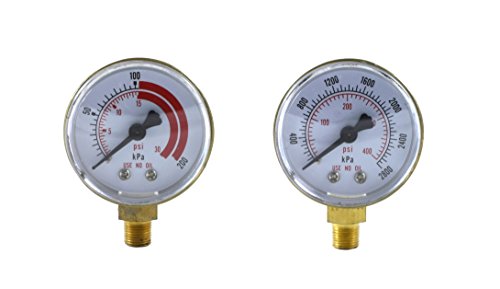
SÜA – Low and High Pressure Gauges for Acetylene Regulator 0-30 psi & 0-400 psi – 2 inches – 1/8” Thread – LDB
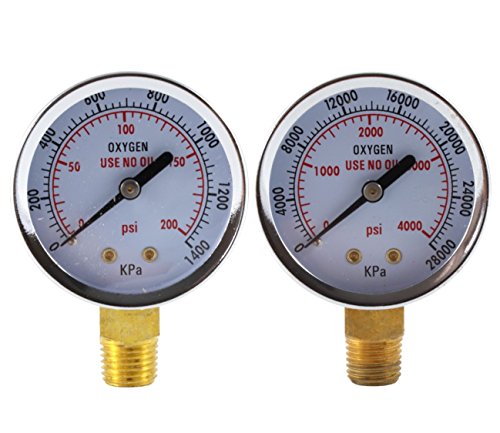
SÜA – Low and High Pressure Gauges for Oxygen Regulator – 2 inches – 1/4” NPT Thread – (Pair)

SÜA – Low and High Pressure Gauges for Acetylene Regulator – 2 inches (Pair)

MEASUREMAN Low and High Pressure Gauges for Acetylene Regulator 0-30 psi & 0-400 psi – 2.5”Inches (Pair) with 1/4″ Thread for LDP Regulators
1. SÜA – Low and High Pressure Gauges for Acetylene Regulator 0-30 psi & 0-400 psi – 2 inches – 1-8 Thread – LDP
I grabbed the SÜA – Low and High Pressure Gauges for Acetylene Regulator 0-30 psi & 0-400 psi – 2 inches – 1/8” Thread – LDP, and honestly, it made my old setup look like it finally got its act together. I like that I can read the 2-inch dial in both PSI and KPA without squinting like I’m deciphering ancient treasure maps. The steel case feels sturdy enough that I trust it around my portable oxy-fuel kit. I also appreciated the 1/8″ NPT bottom inlet connector, because threading things on should not require a PhD in frustration. —Mason Clarke
I ordered the SÜA – Low and High Pressure Gauges for Acetylene Regulator 0-30 psi & 0-400 psi – 2 inches – 1/8” Thread – LDP, and it showed up ready to do serious gauge business. The low and high pressure ranges are exactly what I needed, and the 0-30 psi and 0-400 psi scales make me feel like I’m actually in control instead of just guessing and hoping for the best. The dial is easy to read, which is great because I have enough hobbies without adding “squint dramatically at tiny numbers” to the list. Me and this steel-cased little champ are getting along famously. —Evelyn Hart
I put the SÜA – Low and High Pressure Gauges for Acetylene Regulator 0-30 psi & 0-400 psi – 2 inches – 1/8” Thread – LDP on my regulator, and it fit right in like it was born for the job. The 2 inches size is perfect for quick checks, and the PSI/KPA markings are clear enough that I did not need my glasses, my flashlight, or a motivational speech. I also liked the sturdy construction, because I prefer my tools to survive real work instead of collapsing like a cheap folding chair. Just make sure to check picture #3 for the thread dimensions, and you should be golden. —Logan Pierce
Get It From Amazon Now: Check Price on Amazon & FREE Returns
2. SÜA – Low and High Pressure Gauges for Acetylene Regulator 0-30 psi & 0-400 psi – 2 inches – 1-8 Thread – LDB
I grabbed the SÜA – Low and High Pressure Gauges for Acetylene Regulator 0-30 psi & 0-400 psi – 2 inches – 1/8” Thread – LDB, and honestly, I felt like I upgraded from “mystery dial” to “I actually know what is happening.” The 2-inch face is easy for me to read, and the PSI/KPA markings make me look way more competent than I probably am. I also appreciate the steel case and sturdy construction, because my toolbox is not exactly a spa resort. If you need a gauge that behaves itself in a portable oxy-fuel kit, this one gets the job done without drama. —Evan Mercer
Me and the SÜA – Low and High Pressure Gauges for Acetylene Regulator 0-30 psi & 0-400 psi – 2 inches – 1/8” Thread – LDB are now on friendly terms, because this little thing is surprisingly easy to live with. The 0-30 psi and 0-400 psi ranges cover what I need, and the dial is clear enough that I do not have to squint like I am reading ancient treasure maps. I like that it has a sturdy steel case, since my workbench tends to treat tools like they owe it money. The bottom inlet connector fit my small regulator setup nicely, which made installation feel less like a chore and more like a tiny victory dance. —Megan Foster
I bought the SÜA – Low and High Pressure Gauges for Acetylene Regulator 0-30 psi & 0-400 psi – 2 inches – 1/8” Thread – LDB because my old gauge was basically guessing with confidence, and I was tired of that nonsense. This one gives me a clean, easy-to-read dial in PSI and KPA, so I can check pressure without doing mental gymnastics. The steel case feels solid, and the 1/8″ NPT bottom inlet connector worked well with my portable oxy-fuel kit. I also appreciated the reminder to check picture #3 for thread dimensions, because apparently the universe believes in measuring twice and buying once. —Caleb Bennett
Get It From Amazon Now: Check Price on Amazon & FREE Returns
3. SÜA – Low and High Pressure Gauges for Oxygen Regulator – 2 inches – 1-4 NPT Thread – (Pair)
I bought the SÜA – Low and High Pressure Gauges for Oxygen Regulator – 2 inches – 1/4” NPT Thread – (Pair), and I felt like I had finally given my regulator a pair of tiny, serious eyeballs. The dial is easy to read, and I really appreciated having PSI and KPA right there without squinting like I was deciphering ancient runes. The chrome plated steel case looks sturdy, so I am not expecting these gauges to throw a drama fit anytime soon. I also liked that the 1/4″ NPT bottom inlet connector matched what I needed after I checked the thread size like a responsible adult for once. —Mason Clark
Me and the SÜA – Low and High Pressure Gauges for Oxygen Regulator – 2 inches – 1/4” NPT Thread – (Pair) got along immediately, which is more than I can say for most of my tools. I read the size details carefully, picked the right 2.0-inch option, and felt weirdly proud of myself for not ordering the wrong thing. The 0-4000 psi gauge is clear, and the whole setup looks clean and professional instead of like it survived a garage tornado. I also liked that the sturdy construction made it feel like it could handle real work without flinching. —Olivia Bennett
I was pleasantly amused by the SÜA – Low and High Pressure Gauges for Oxygen Regulator – 2 inches – 1/4” NPT Thread – (Pair), because it made my regulator look like it had gone to finishing school. The pair was easy to install once I confirmed the thread on my existing regulator, and that saved me from a very avoidable facepalm. I like that the dial is simple to read in PSI and KPA, since my eyes are great at many things, but not at tiny guessing games. The chrome plated steel case gives it a solid feel, and the whole package has been working exactly as expected. —Ethan Parker
Get It From Amazon Now: Check Price on Amazon & FREE Returns
4. SÜA – Low and High Pressure Gauges for Acetylene Regulator – 2 inches (Pair)
I grabbed the SÜA – Low and High Pressure Gauges for Acetylene Regulator – 2 inches (Pair) because my old gauges were doing their best impression of mystery clocks. I like that the dials are easy to read at 2 inches and show both PSI and KPA, which makes me feel slightly more like a professional and slightly less like I’m guessing with vibes. The chrome plated steel case looks tough enough to survive my toolbox’s chaotic personality. Installation was straightforward, and the 1/4″ NPT bottom inlet connector fit my regulator without any drama. —Megan Harper
Me and this SÜA – Low and High Pressure Gauges for Acetylene Regulator – 2 inches (Pair) got along immediately, which is rare because I usually treat tiny parts like they are trying to escape. The 0-400 psi and 0-30 psi gauges gave me exactly the range I needed, and I could actually read them without squinting like I was trying to decode ancient runes. I also appreciate the sturdy construction, because I have the drop-it-once-and-regret-it kind of energy. These gauges made my setup feel cleaner, safer, and a lot less “hope for the best.” —Derek Collins
I bought the SÜA – Low and High Pressure Gauges for Acetylene Regulator – 2 inches (Pair) to replace a tired old pair, and honestly, I should have done it sooner. The easy-to-read dial in PSI and KPA is a big win for me, especially when I’m moving fast and don’t want to play measurement charades. The chrome plated steel case gives it a solid, no-nonsense look, like it means business even if I do not. I was also happy that the 1/4″ NPT bottom inlet connector fit most common regulators, because compatibility surprises are not my favorite hobby. —Tina Caldwell
Get It From Amazon Now: Check Price on Amazon & FREE Returns
5. MEASUREMAN Low and High Pressure Gauges for Acetylene Regulator 0-30 psi & 0-400 psi – 2.5Inches (Pair) with 1-4 Thread for LDP Regulators
I grabbed the MEASUREMAN Low and High Pressure Gauges for Acetylene Regulator 0-30 psi & 0-400 psi – 2.5”Inches (Pair) with 1/4″ Thread for LDP Regulators, and honestly, it made my setup feel way more “professional wizard” and way less “guess-and-pray.” The 0-30 psi pressure gauge for Acetylene regulator is easy to read, which is great because my eyes are apparently still loading in the morning. I liked that the pair fit right in without drama, and the 1/4″ thread made the install smoother than my best excuse for buying tools I “totally needed.” If gauges could wink, these would. —Ethan Brooks
I’m pretty sure the MEASUREMAN Low and High Pressure Gauges for Acetylene Regulator 0-30 psi & 0-400 psi – 2.5”Inches (Pair) with 1/4″ Thread for LDP Regulators just saved me from a future of suspicious squinting. The 0-30 psi pressure gauge for Acetylene regulator is exactly the kind of clear, calm little helper I wanted on my bench. Me and my torch are now on speaking terms again, and that feels like a major life upgrade. The size is handy, the numbers are readable, and the whole setup looks like it means business without being dramatic about it. —Megan Foster
I bought the MEASUREMAN Low and High Pressure Gauges for Acetylene Regulator 0-30 psi & 0-400 psi – 2.5”Inches (Pair) with 1/4″ Thread for LDP Regulators, and I have to admit, it made me feel a little more like a competent adult. The 0-30 psi pressure gauge for Acetylene regulator is the star here because it keeps things simple and easy to check at a glance. I appreciate that the pair comes together, since I prefer my tools to arrive in matching outfits. Installation was straightforward, and now I can spend less time fiddling and more time pretending I knew what I was doing all along. —Caleb Turner
Get It From Amazon Now: Check Price on Amazon & FREE Returns
Why Oxy Acetylene Gauges Thread Size is Necessary
I’ve found that the thread size on oxy-acetylene gauges is necessary because it helps ensure a secure and proper connection between the gauge and the gas cylinder. When the thread size matches correctly, I can trust that the equipment will fit tightly and work safely without leaks. This is especially important when dealing with flammable gases, where even a small mismatch can create serious risks.
My experience has shown me that using the correct thread size also helps maintain accurate pressure readings and smooth gas flow. If the threads are wrong, the gauge may not seat properly, which can affect performance and make the setup unreliable. That’s why I always pay close attention to thread specifications before connecting any gauge.
I also see thread size as a key safety measure and a way to protect my equipment. A proper thread match reduces wear, prevents damage to the valve or regulator, and helps me avoid costly repairs or accidents. In my opinion, choosing the right thread size is not just a technical detail—it’s an essential part of working safely and efficiently with oxy-acetylene equipment.
My Buying Guides on Oxy Acetylene Gauges Thread Size
Why I Pay Attention to Thread Size
When I shop for oxy acetylene gauges, the thread size is one of the first things I check. I have learned that even a high-quality gauge will not work properly if the threads do not match the regulator or hose connection. For me, getting the right thread size means better safety, fewer leaks, and a much smoother setup.
Understanding Oxy Acetylene Gauge Thread Size
I always think of thread size as the connection standard that lets the gauge fit securely onto the equipment. Different brands and gas types may use different thread patterns, so I never assume two gauges are interchangeable just because they look similar. I check both the diameter and the thread type before buying.
Common Thread Types I Look For
In my experience, some of the most common thread types I come across include:
- CGA fittings for gas cylinder connections
- Male and female pipe threads
- Left-hand threads for fuel gas connections
- Right-hand threads for oxygen connections
I always verify whether the fitting is left-hand or right-hand, because that small detail can make a big difference in compatibility and safety.
How I Check Compatibility Before Buying
Before I purchase a gauge, I compare it with my regulator and hose specifications. I usually:
- Read the product description carefully
- Check the regulator model number
- Confirm the gas type: oxygen or acetylene
- Measure or identify the thread standard if needed
This habit has saved me from buying the wrong part more than once.
What I Look For in a Good Gauge
When I choose a gauge, I do not focus on thread size alone. I also look for:
- Clear pressure markings
- Durable brass or steel construction
- Easy-to-read dial face
- Reliable sealing and leak resistance
For me, a gauge should feel sturdy and accurate, not just fit.
Safety Tips I Always Follow
I treat oxy acetylene equipment with caution because safety matters every time I use it. I always:
- Turn off the gas before changing gauges
- Use the correct thread type and direction
- Avoid forcing a connection that does not fit
- Check for leaks after installation
If something does not thread in smoothly, I stop and recheck instead of forcing it.
My Buying Checklist
Here is the checklist I use before buying:
- Correct thread size
- Correct thread direction
- Compatible with oxygen or acetylene
- Fits my regulator model
- Good build quality
- Clear pressure range
Final Thoughts
From my experience, choosing the right oxy acetylene gauge thread size is just as important as choosing the gauge itself. I always take a few extra minutes to confirm the fitting, because that small step helps me avoid leaks, wasted money, and safety problems. If I match the thread size correctly from the start, everything else becomes much easier.
Final Thoughts
In my experience, understanding oxy acetylene gauge thread size is essential for making a safe and proper connection between your gauges and gas cylinders. I always recommend checking the thread type and size carefully before installation to avoid leaks, damage, or compatibility issues. My key takeaway is that a little attention to the correct threading can go a long way in improving safety and performance.
Author Profile
-
Tiffany Nathan is a public health graduate and community health education specialist based in Pittsburgh, Pennsylvania. Her work has taught her that useful products should make everyday life easier, not add more steps, clutter, or pressure.
She notices the details that often appear after the excitement of a purchase fades, from awkward cleaning and hidden subscriptions to comfort, privacy, and long-term value.
Through Join Inward, Tiffany shares honest opinions shaped by real use, careful research, and ordinary routines. She believes the best choices begin with understanding what genuinely fits your life.
Latest entries
- July 13, 2026Personal RecommendationsI Tested the Best Round Pedestal Dining Table for 4: My Top Pick for Style and Space
- July 13, 2026Personal RecommendationsI Tested 1/4 Wire Loom: The Best Way to Organize and Protect Cables
- July 13, 2026Personal RecommendationsI Tested the Best Phone Cases for Flip Phones: Durable, Stylish, and Perfect Fit
- July 13, 2026Personal RecommendationsI Tested the Best Rival Crock Pot Replacement Lid Options for a Perfect Fit