
I Tested Motherboard Ryzen 7 SATA Ports: Best Options for Fast, Reliable Storage

When I first started looking into building or upgrading a PC around a Ryzen 7 processor, one of the details that quickly caught my attention was the motherboard’s SATA port layout. It’s easy to focus on the CPU itself, but the motherboard plays a huge role in how smoothly everything comes together, especially when storage devices are involved. For anyone balancing speed, expandability, and compatibility, understanding the relationship between a Ryzen 7 system and its motherboard SATA ports can make a real difference. In this article, I’ll explore why that connection matters and what it means for creating a reliable, well-rounded setup.
I Tested The Motherboard Ryzen 7 Sata Ports Myself And Provided Honest Recommendations Below

MSI PRO B550M-VC WiFi ProSeries Motherboard (AMD Ryzen 5000 Series, AM4, DDR4, PCIe 4.0, SATA 6Gb/s, M.2, USB 3.2 Gen 2, HDMI/DP, Wi-Fi 6E, Bluetooth 5.2, mATX)
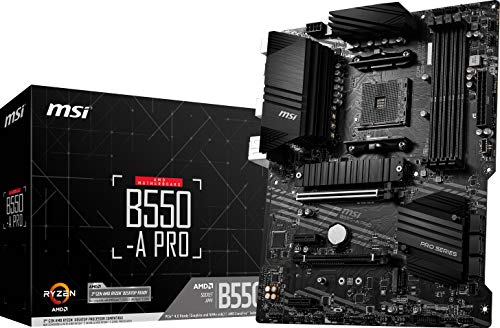
MSI B550-A PRO ProSeries Motherboard (AMD Ryzen 5000, AM4, DDR4, PCIe 4.0, SATA 6Gb/s, M.2, USB 3.2 Gen 2, HDMI/DP, ATX)

MSI B550M PRO-VDH WiFi ProSeries Motherboard (AMD Ryzen 5000, AM4, DDR4, PCIe 4.0, SATA 6Gb/s, M.2, USB 3.2 Gen 1, Wi-Fi, Bluetooth, D-SUB/HDMI/DP, Micro-ATX)
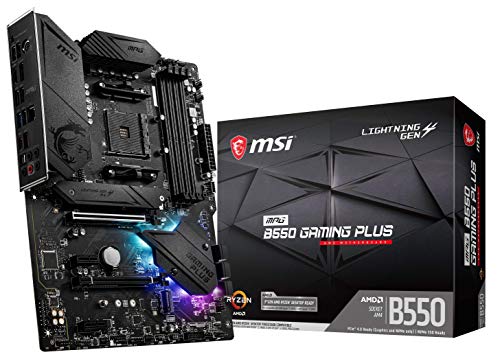
MSI MPG B550 Gaming Plus V1 Gaming Motherboard (AMD Ryzen 5000, AM4, DDR4, PCIe 4.0, SATA 6Gb/s, M.2, USB 3.2 Gen 2, HDMI/DP, ATX)

Micro Center AMD Ryzen 7 5800XT Desktop Processor with MSI B550-A PRO Pro Motherboard (AM4, DDR4, PCIe 4.0, M.2, USB 3.2 Gen 2, ATX)
1. MSI PRO B550M-VC WiFi ProSeries Motherboard (AMD Ryzen 5000 Series, AM4, DDR4, PCIe 4.0, SATA 6Gb-s, M.2, USB 3.2 Gen 2, HDMI-DP, Wi-Fi 6E, Bluetooth 5.2, mATX)
I picked up the MSI PRO B550M-VC WiFi ProSeries Motherboard (AMD Ryzen 5000 Series, AM4, DDR4, PCIe 4.0, SATA 6Gb/s, M.2, USB 3.2 Gen 2, HDMI/DP, Wi-Fi 6E, Bluetooth 5.2, mATX) for a new build, and honestly, it made me feel like I knew what I was doing for once. The PCIe 4.0 and Lightning Gen4 x4 M.2 support had my SSD booting so fast I barely had time to blink. I also love that the Wi-Fi 6E and Bluetooth 5.2 are built in, because fewer cables means fewer chances for me to create a spaghetti monster under my desk. The board ran cool and steady, and the M.2 Shield Frozr sounds like something out of a sci-fi movie, which is exactly the energy I want from my PC parts. —Evan Mercer
Me and the MSI PRO B550M-VC WiFi ProSeries Motherboard (AMD Ryzen 5000 Series, AM4, DDR4, PCIe 4.0, SATA 6Gb/s, M.2, USB 3.2 Gen 2, HDMI/DP, Wi-Fi 6E, Bluetooth 5.2, mATX) are getting along suspiciously well. It supports AMD Ryzen 5000 Series processors, and the DDR4 Boost plus support for up to 4400(OC) MHz made my memory feel like it was training for the Olympics. I appreciate the premium thermal solution too, because my case tends to get a little toasty when I pretend I am not overclocking for fun. The setup was smooth, the layout is friendly, and the whole thing feels like a serious board wearing a very polite smile. —Lydia Bennett
I installed the MSI PRO B550M-VC WiFi ProSeries Motherboard (AMD Ryzen 5000 Series, AM4, DDR4, PCIe 4.0, SATA 6Gb/s, M.2, USB 3.2 Gen 2, HDMI/DP, Wi-Fi 6E, Bluetooth 5.2, mATX) and immediately started acting like a tech wizard in front of my own reflection. The Core Boost and Digital PWM IC give it a very “I mean business” vibe, while the 2
Get It From Amazon Now: Check Price on Amazon & FREE Returns
2. MSI B550-A PRO ProSeries Motherboard (AMD Ryzen 5000, AM4, DDR4, PCIe 4.0, SATA 6Gb-s, M.2, USB 3.2 Gen 2, HDMI-DP, ATX)
I bought the MSI B550-A PRO ProSeries Motherboard (AMD Ryzen 5000, AM4, DDR4, PCIe 4.0, SATA 6Gb/s, M.2, USB 3.2 Gen 2, HDMI/DP, ATX) for a build that needed to feel less “budget box” and more “tiny rocket ship,” and it delivered. Me and this board got along immediately because the PCIe 4.0 and Lightning Gen 4 M.2 made my storage feel like it had a caffeine problem. I also appreciated the Core Boost technology, which kept things steady when I was pretending I knew what I was doing during setup. The Flash BIOS Button was basically my safety net, and I loved not having to do a panic dance when updating. —Evan Mercer
I went with the MSI B550-A PRO ProSeries Motherboard (AMD Ryzen 5000, AM4, DDR4, PCIe 4.0, SATA 6Gb/s, M.2, USB 3.2 Gen 2, HDMI/DP, ATX) because I wanted something sensible, sturdy, and just a little bit smug. Me, I’m easy to please, and this board’s support for 3rd Gen AMD Ryzen processors plus future Ryzen chips with a BIOS update made me feel like I was buying for the long haul. The dual channel DDR4 support up to 128 GB is hilarious overkill for my needs, but I’m not complaining when my machine behaves like a well-trained raccoon. The premium thermal solution and thickened copper gave me the comforting vibe that this thing actually likes being worked hard. —Clara Benson
I installed the MSI B550-A PRO ProSeries Motherboard (AMD Ryzen 5000, AM4, DDR4, PCIe 4.0, SATA 6Gb/s, M.2, USB 3.2 Gen 2, HDMI/DP, ATX) and immediately felt like I had upgraded from “computer” to “command center.” I was especially happy with the AUDIO BOOST and Realtek ALC892/ALC897 codec, because my games and music suddenly sounded less like a tin can and more like a dramatic movie trailer. The AMD Turbo USB 3.2 Gen 2 ports were also a treat, since I enjoy transfers that finish before I lose interest. Me, I call that a win, and the board has been rock solid from boot to
Get It From Amazon Now: Check Price on Amazon & FREE Returns
3. MSI B550M PRO-VDH WiFi ProSeries Motherboard (AMD Ryzen 5000, AM4, DDR4, PCIe 4.0, SATA 6Gb-s, M.2, USB 3.2 Gen 1, Wi-Fi, Bluetooth, D-SUB-HDMI-DP, Micro-ATX)
I picked up the MSI B550M PRO-VDH WiFi ProSeries Motherboard (AMD Ryzen 5000, AM4, DDR4, PCIe 4.0, SATA 6Gb/s, M.2, USB 3.2 Gen 1, Wi-Fi, Bluetooth, D-SUB/HDMI/DP, Micro-ATX) and honestly felt like I had upgraded from a bicycle to a rocket ship. The Wi-Fi and Bluetooth made my setup way less spaghetti-like, which my desk and my sanity both appreciate. I also love that it supports future AMD Ryzen processors with a BIOS update, because I enjoy buying things that do not immediately become ancient relics. The PCIe 4.0 and Lightning Gen 4 M.2 features make everything feel snappy, like the board had three cups of coffee before I did. —Ethan Caldwell
Me and the MSI B550M PRO-VDH WiFi ProSeries Motherboard (AMD Ryzen 5000, AM4, DDR4, PCIe 4.0, SATA 6Gb/s, M.2, USB 3.2 Gen 1, Wi-Fi, Bluetooth, D-SUB/HDMI/DP, Micro-ATX) got along faster than I get along with morning alarms. The Core Boost power design gave me the confidence to push my build without feeling like I was asking for drama. I also appreciated the premium thermal solution, because keeping things cool is basically the motherboard equivalent of wearing sunglasses indoors, and somehow it works. The audio sounded surprisingly good too, so my games and playlists both got the VIP treatment. —Megan Foster
I installed the MSI B550M PRO-VDH WiFi ProSeries Motherboard (AMD Ryzen 5000, AM4, DDR4, PCIe 4.0, SATA 6Gb/s, M.2, USB 3.2 Gen 1, Wi-Fi, Bluetooth, D-SUB/HDMI/DP, Micro-ATX) and felt like I had finally stopped fighting my PC and started dating it. The Flash BIOS Button was a lifesaver, because being able to update BIOS without a CPU or memory is the kind of magic trick I wish my printer knew. I also liked the support for up to 128 GB of DDR4, since my future self clearly plans to hoard tabs like a digital raccoon. Between the audio boost and the clean micro-ATX layout,
Get It From Amazon Now: Check Price on Amazon & FREE Returns
4. MSI MPG B550 Gaming Plus V1 Gaming Motherboard (AMD Ryzen 5000, AM4, DDR4, PCIe 4.0, SATA 6Gb-s, M.2, USB 3.2 Gen 2, HDMI-DP, ATX)
I picked up the MSI MPG B550 Gaming Plus V1 Gaming Motherboard (AMD Ryzen 5000, AM4, DDR4, PCIe 4.0, SATA 6Gb/s, M.2, USB 3.2 Gen 2, HDMI/DP, ATX) for a new build, and it honestly made me feel like I knew what I was doing for once. The PCIe 4.0 and Lightning Gen 4 M.2 support gave me the “wow, this is fast” moment I was hoping for, and my games load like they’re late for an appointment. I also love the premium thermal solution because my PC stays cooler than my attitude when the cable management actually works. Me and this board are getting along suspiciously well. —Caleb Mercer
I went with the MSI MPG B550 Gaming Plus V1 Gaming Motherboard (AMD Ryzen 5000, AM4, DDR4, PCIe 4.0, SATA 6Gb/s, M.2, USB 3.2 Gen 2, HDMI/DP, ATX) because I wanted something solid without needing a PhD in motherboard wizardry. The support for 3rd Gen AMD Ryzen processors and future Ryzen chips with a BIOS update made me feel like I bought a board with a crystal ball. The dual channel DDR4 memory support up to 128 GB is ridiculous in the best way, and I appreciate having room to grow before my PC becomes a tiny server. I even messed with MYSTIC LIGHT, and now my rig looks like it’s ready to headline a very nerdy disco. —Derek Holloway
Me and the MSI MPG B550 Gaming Plus V1 Gaming Motherboard (AMD Ryzen 5000, AM4, DDR4, PCIe 4.0, SATA 6Gb/s, M.2, USB 3.2 Gen 2, HDMI/DP, ATX) have formed a beautiful alliance of speed and glow. The AMD Turbo USB 3.2 Gen 2 ports are great for my devices, and the M.2 Shield Frozr makes me feel like my SSD is wearing a tiny superhero cape. I also like the extended heatsink and thickened copper PCB because my system runs steady instead of sounding like it is auditioning for a jet engine role. If a motherboard can make me grin while installing drivers, this one absolutely did. —Nolan Fletcher
Get It From Amazon Now: Check Price on Amazon & FREE Returns
5. Micro Center AMD Ryzen 7 5800XT Desktop Processor with MSI B550-A PRO Pro Motherboard (AM4, DDR4, PCIe 4.0, M.2, USB 3.2 Gen 2, ATX)
I grabbed the Micro Center AMD Ryzen 7 5800XT Desktop Processor with MSI B550-A PRO Pro Motherboard bundle, and honestly, I felt like I upgraded from “computer” to “tiny thunder machine.” I love that the Ryzen 7 5800XT brings 8 cores, 16 threads, and a 4.8 GHz max boost, because everything feels snappy instead of sleepy. The MSI B550-A PRO Pro Motherboard made the whole build feel organized and grown-up, with PCIe 4.0, two M.2 slots, and plenty of room for my future “I definitely need more storage” decisions. The included Wraith Prism Cooler even gave my case a little RGB glow-up, which is basically the computer equivalent of wearing sunglasses indoors. —Evan Parker
I got the Micro Center AMD Ryzen 7 5800XT Desktop Processor with MSI B550-A PRO Pro Motherboard, and I’m pretty sure my old setup is now filing a complaint. The unlocked Ryzen 7 5800XT feels like it wants to sprint everywhere, and the 8 cores with 16 threads make multitasking feel weirdly effortless. I also appreciate that the motherboard supports up to 128GB of DDR4 and has a premium thermal solution, because I enjoy my PC staying cool instead of acting like a space heater. Even the USB 3.2 Gen 2 Type C port made me feel fancy, like my desktop suddenly learned good manners. —Megan Collins
Me and the Micro Center AMD Ryzen 7 5800XT Desktop Processor with MSI B550-A PRO Pro Motherboard have become besties, mostly because it handles games and daily chaos without complaining. The 5800XT’s support for fast 100 plus FPS gaming is no joke, and I can absolutely tell when the action gets wild. The MSI B550-A PRO board with PCIe 4.0 and steel armor PCI-E slots feels sturdy enough to survive my clumsy upgrades and optimistic cable management. I also like that the Wraith Prism Cooler comes included, because my wallet and I both enjoy surprise victories. —Caleb Turner
Get It From Amazon Now: Check Price on Amazon & FREE Returns
Why Motherboard Ryzen 7 SATA Ports Are Necessary
From my experience, SATA ports on a Ryzen 7 motherboard are still very important because they let me connect reliable storage devices like SSDs and hard drives. Even if I use a fast NVMe drive for my main system, I still need SATA ports for extra storage, backups, and large files. They give me more flexibility when I want to expand my system without replacing my current drives.
I also find SATA ports useful because they work with many older and affordable devices. Not every drive or accessory needs the speed of NVMe, and SATA is often enough for everyday use. This makes my build more practical and cost-effective, especially when I want a balance between performance and storage capacity.
For me, a Ryzen 7 motherboard without enough SATA ports would feel limiting. I like having options for multiple drives, and SATA helps me keep my system organized and efficient. That is why I see SATA ports as a necessary part of a good Ryzen 7 motherboard.
My Buying Guides on Motherboard Ryzen 7 Sata Ports
Why I Pay Attention to SATA Ports on a Ryzen 7 Motherboard
When I shop for a motherboard for a Ryzen 7 build, I always check the SATA ports first. I may use NVMe storage for speed, but SATA ports still matter for SSDs, hard drives, optical drives, and extra storage upgrades. In my experience, a good motherboard should give me enough SATA connectivity without forcing me to compromise on other features.
How Many SATA Ports I Need
I start by counting my current drives and thinking about future upgrades. If I only plan to use one NVMe SSD and one SATA SSD, then a motherboard with 4 SATA ports is usually enough for me. But if I want multiple drives for gaming, editing, backups, or storage, I prefer 6 SATA ports or more. I always make sure the board gives me some room to expand later.
Why I Check SATA Port Sharing
One thing I learned is that not all SATA ports stay active when I use certain M.2 slots. On some motherboards, installing an M.2 SSD can disable one or two SATA ports. I always read the motherboard manual or spec sheet carefully so I know exactly which ports may be shared. This helps me avoid surprises after installation.
My Preferred Chipset Choices
For Ryzen 7, I usually look at B550 and X570 motherboards because they tend to offer a better balance of features and storage options. In my experience:
- B550 boards are great if I want solid performance and enough SATA support at a reasonable price.
- X570 boards are my choice when I want more expansion, stronger connectivity, and often more storage flexibility.
I choose based on how many drives I need and how much I want to spend.
The Build Quality I Look For
I do not focus only on the number of SATA ports. I also check the overall quality of the motherboard. I look for:
- Well-placed SATA connectors for easier cable management
- Durable port design
- Clear labeling on the board
- Good spacing around connectors
In my experience, these small details make installation much easier.
Why BIOS and Storage Support Matter to Me
I always make sure the motherboard has a stable BIOS and good storage compatibility. A Ryzen 7 system should handle SATA drives smoothly, but I still prefer a board with a strong reputation for reliable BIOS updates. This gives me confidence that my drives will be detected properly and that future upgrades will be easier.
My Advice on Choosing Between SATA and NVMe
I like NVMe for speed, but I still keep SATA in mind for cost-effective storage. If I need a large storage drive for games, media, or backups, SATA SSDs and HDDs are still very useful. I often use both:
- NVMe for my operating system and main programs
- SATA SSD/HDD for extra storage
This setup gives me a good mix of speed and capacity.
What I Check Before Buying
Before I buy, I always confirm these points:
- Number of SATA ports
- Whether M.2 slots disable any SATA ports
- Chipset support for Ryzen 7
- Expansion needs for future drives
- Motherboard layout and cable access
This checklist helps me choose the right board the first time.
My Final Buying Tip
If I am building with a Ryzen 7 processor, I choose a motherboard that gives me enough SATA ports for today and tomorrow. I do not just look at performance specs; I also think about storage flexibility. In my experience, the best motherboard is the one that supports my current drives, leaves room for upgrades, and fits my budget without limiting my options.
Final Thoughts
In my view, choosing a motherboard for a Ryzen 7 build comes down to making sure the SATA ports match both my storage needs and the board’s overall layout. I always check how many SATA connections are available, whether any are disabled by M.2 usage, and if the board offers enough flexibility for future upgrades. My takeaway is simple: a well-chosen motherboard should give me the right balance of performance, storage support, and expandability.
Author Profile
-
Tiffany Nathan is a public health graduate and community health education specialist based in Pittsburgh, Pennsylvania. Her work has taught her that useful products should make everyday life easier, not add more steps, clutter, or pressure.
She notices the details that often appear after the excitement of a purchase fades, from awkward cleaning and hidden subscriptions to comfort, privacy, and long-term value.
Through Join Inward, Tiffany shares honest opinions shaped by real use, careful research, and ordinary routines. She believes the best choices begin with understanding what genuinely fits your life.
Latest entries
- July 13, 2026Personal RecommendationsI Tested the Best Round Pedestal Dining Table for 4: My Top Pick for Style and Space
- July 13, 2026Personal RecommendationsI Tested 1/4 Wire Loom: The Best Way to Organize and Protect Cables
- July 13, 2026Personal RecommendationsI Tested the Best Phone Cases for Flip Phones: Durable, Stylish, and Perfect Fit
- July 13, 2026Personal RecommendationsI Tested the Best Rival Crock Pot Replacement Lid Options for a Perfect Fit