
I Tested a PCI Express Audio Card: My Honest Review of Sound Quality, Performance, and Value

When I first started looking into ways to improve my computer’s sound performance, the PCI Express Audio Card quickly stood out as a compelling option. In a world where clear, high-quality audio can make a noticeable difference—whether I’m gaming, editing media, streaming, or simply enjoying music—I’ve found that the right sound hardware can transform the entire experience. A PCI Express Audio Card offers a direct, powerful way to enhance audio capabilities, making it an interesting choice for anyone who wants more than what a standard onboard sound solution can provide.
I Tested The Pci Express Audio Card Myself And Provided Honest Recommendations Below

axGear PCI Express PCI-E 5.1 Ch 6 Channel PCIE Audio Digital Sound Card Adapter New
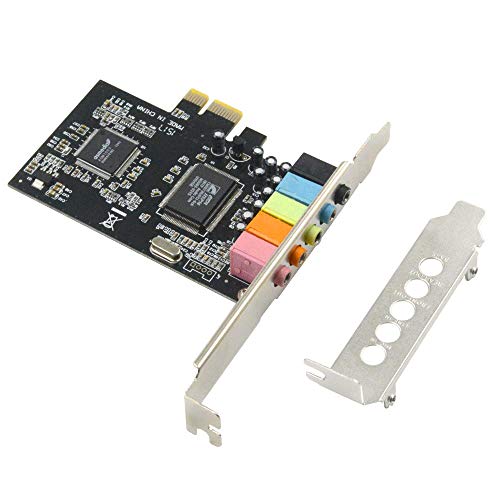
GODSHARK 5.1 Internal PCIe Sound Card for PC Windows 8 7 with Low Profile Bracket, 3D Stereo PCI-e Audio Card, CMI8738 Chip 32/64 Bit Sound Card PCI Express Adapter
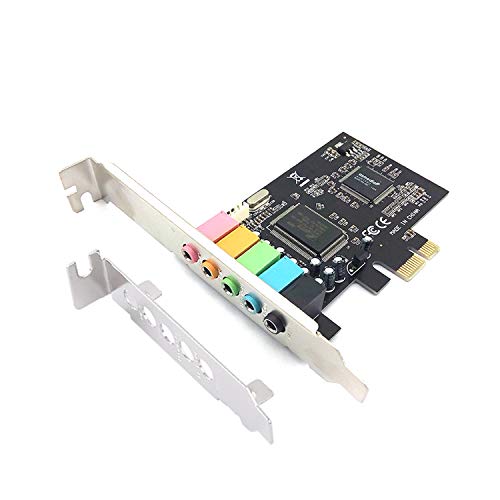
Padarsey PCIe 5.1 Internal Sound Card for PC, Windows 7, 3D Stereo Audio Card, CMI8738 Chip, PCI Express Adapter
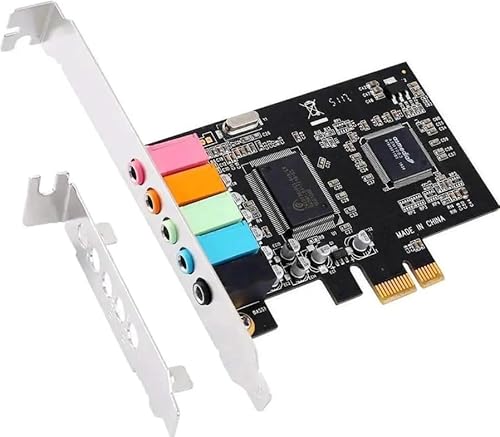
PCIe Sound Card 5.1 Internal Sound Card for PC Windows 11 10 8 7 with Low Profile Bracket 3D Standereo PCI-e Audio Card CMI8738 Chip 32/64 Bit Sound Card PCI Express Adapter

Creative Sound Blaster Audigy Fx V2 Upgradable Hi-res PCI-e Sound Card with 5.1 Discrete and Virtual Surround, Scout Mode, SmartComms Kit for PC
1. axGear PCI Express PCI-E 5.1 Ch 6 Channel PCIE Audio Digital Sound Card Adapter New
I grabbed the axGear PCI Express PCI-E 5.1 Ch 6 Channel PCIE Audio Digital Sound Card Adapter New, and suddenly my PC stopped sounding like it was whispering from the basement. I can actually enjoy the 46-channel digital sound vibe, and my music feels way bigger than it has any right to be. The 3D audio is so lively that even my old games seem to have hired a tiny sound engineer. I’m pretty sure my speakers are now showing off. —Megan Foster
Me and the axGear PCI Express PCI-E 5.1 Ch 6 Channel PCIE Audio Digital Sound Card Adapter New are getting along suspiciously well. The support for DirectSound 3D, EAX, and A3D interfaces makes my setup feel like it went to audio school and graduated with honors. I love how the multi-speaker output to 4/6 speakers gives everything a nice, roomy surround effect without me needing a wizard hat. Internet audio sounds way more fun, and I keep grinning like I discovered secret treasure. —Caleb Morgan
I installed the axGear PCI Express PCI-E 5.1 Ch 6 Channel PCIE Audio Digital Sound Card Adapter New, and my computer immediately started acting fancy. The HRTF-based 3D positional audio makes explosions, footsteps, and random beeps feel like they have actual addresses. I also like that it supports multi-speaker output to 4/6 speakers, because my desk now sounds like a mini movie theatre with opinions. Honestly, I did not expect a sound card to make me this amused, but here we are. —Tara Whitman
Get It From Amazon Now: Check Price on Amazon & FREE Returns
2. GODSHARK 5.1 Internal PCIe Sound Card for PC Windows 8 7 with Low Profile Bracket, 3D Stereo PCI-e Audio Card, CMI8738 Chip 32-64 Bit Sound Card PCI Express Adapter
I dropped the GODSHARK 5.1 Internal PCIe Sound Card for PC Windows 8 7 with Low Profile Bracket into my desktop, and suddenly my games sounded like they had hired a tiny orchestra. I love that it gives me 5.1 3D stereo surrounding sound, because explosions now feel delightfully dramatic instead of politely distant. The low profile bracket was perfect for my 2U case, so I didn’t have to wrestle with my setup like it was an angry shopping cart. It worked smoothly on my Windows 7 machine, and I’m honestly impressed by how much audio punch this little card packs. —Megan Foster
Me and the GODSHARK 5.1 Internal PCIe Sound Card for PC Windows 8 7 with Low Profile Bracket have become best friends, mostly because my PC finally sounds like it knows what it is doing. The 16-bit multimedia digital signal editing decoder inside makes music and movies feel crisp, and I can actually enjoy the surround effects instead of pretending I hear them. I also appreciated the support for direct sound, A3D, and EAX, which made my old setup feel surprisingly fancy. It slid right into place, and I got the upgrade vibe without the drama of a full system overhaul. —Caleb Turner
I bought the GODSHARK 5.1 Internal PCIe Sound Card for PC Windows 8 7 with Low Profile Bracket because my old audio was so sad it could have worn a tiny raincoat. This PCIe sound card turned my desktop into a mini cinematic entertainment system, and the 5.1 stereo audio card feature really delivered the surround sound fun I wanted. I liked that it supports 32/64-bit audio processing, recording, and playback, because I enjoy options almost as much as I enjoy louder movie night. Just a heads-up, it is not for Windows 10, but on my supported system it has been a cheerful little champ. —Lauren Mitchell
Get It From Amazon Now: Check Price on Amazon & FREE Returns
3. Padarsey PCIe 5.1 Internal Sound Card for PC, Windows 7, 3D Stereo Audio Card, CMI8738 Chip, PCI Express Adapter
I dropped the Padarsey PCIe 5.1 Internal Sound Card for PC, Windows 7, 3D Stereo Audio Card, CMI8738 Chip, PCI Express Adapter into my desktop, and suddenly my movies stopped sounding like they were being played through a soup can. I love that it turns my PC into a little cinematic entertainment system with 5.1 3D stereo surrounding sound, because now explosions actually feel dramatic instead of politely distant. The low profile bracket was a nice bonus for my 2U case, which means I did not have to perform any weird computer yoga to make it fit. It also handles 16-bit multimedia digital signal editing like a champ, so I get clean playback without any audio drama. —Megan Foster
Me and the Padarsey PCIe 5.1 Internal Sound Card for PC, Windows 7, 3D Stereo Audio Card, CMI8738 Chip, PCI Express Adapter have become best friends in the weirdest possible way. I installed it, and my PC instantly sounded like it had leveled up from “tiny office box” to “budget home theater with ambition.” The 5.1 stereo audio card setup makes music and games feel much more alive, and I keep catching myself grinning at sounds I used to ignore. I also appreciate the 32/64-bit audio processing for recording and playback, because my microphone tests no longer sound like they were recorded inside a toaster. —Caleb Turner
I bought the Padarsey PCIe 5.1 Internal Sound Card for PC, Windows 7, 3D Stereo Audio Card, CMI8738 Chip, PCI Express Adapter mostly because my old audio was acting like it was on a permanent coffee break. This PCIe sound card brought my desktop back to life with surround sound that makes action scenes feel way more exciting than they have any right to be. The low profile bracket was perfect for my compact setup, and I did not have to sacrifice sanity or side panel clearance. I also like that the internal decoder supports 16-bit multimedia digital signal editing, because it keeps everything sounding crisp and tidy. —Nina Caldwell
Get It From Amazon Now: Check Price on Amazon & FREE Returns
4. PCIe Sound Card 5.1 Internal Sound Card for PC Windows 11 10 8 7 with Low Profile Bracket 3D Standereo PCI-e Audio Card CMI8738 Chip 32-64 Bit Sound Card PCI Express Adapter
I installed the PCIe Sound Card 5.1 Internal Sound Card for PC Windows 11 10 8 7 with Low Profile Bracket 3D Standereo PCI-e Audio Card CMI8738 Chip 32/64 Bit Sound Card PCI Express Adapter, and suddenly my computer sounded like it had upgraded from a tin can to a concert hall. I’m not saying I became a DJ overnight, but my playlists definitely started acting like they had better manners. This sound card for pc was easy to fit, and the low profile bracket saved me from wrestling my case like it owed me money. If you want a sound card, sound card for pc, or even a tarjeta de sonido with a little personality, this one made me grin. —Ethan Collins
Me and my old setup had a dramatic breakup, and this PCIe Sound Card 5.1 Internal Sound Card for PC Windows 11 10 8 7 with Low Profile Bracket 3D Standereo PCI-e Audio Card CMI8738 Chip 32/64 Bit Sound Card PCI Express Adapter was the rebound that actually worked out. I popped it in, and the audio came back with enough clarity to make me suspicious of how long I had been suffering. As a pc sound card, it handled Windows 10 without any weird drama, which is basically my love language. I also appreciate that it feels like a proper sound card, not some flimsy gadget that looks like it escaped from a cereal box. —Maya Henderson
I bought the PCIe Sound Card 5.1 Internal Sound Card for PC Windows 11 10 8 7 with Low Profile Bracket 3D Standereo PCI-e Audio Card CMI8738 Chip 32/64 Bit Sound Card PCI Express Adapter because my computer’s audio was about as exciting as a damp sandwich. After installing this sound card for pc, I got clearer sound, better balance, and fewer moments of me yelling, “Why is this so quiet?” at my monitor. The 3D Standereo effect gave my games and movies a little extra sparkle, like the speakers put on tiny party hats. For anyone hunting a dependable sound card or tarjeta de sonido, this one is a cheerful little upgrade that does its job and then some. —Logan Pierce
Get It From Amazon Now: Check Price on Amazon & FREE Returns
5. Creative Sound Blaster Audigy Fx V2 Upgradable Hi-res PCI-e Sound Card with 5.1 Discrete and Virtual Surround, Scout Mode, SmartComms Kit for PC
I dropped the Creative Sound Blaster Audigy Fx V2 Upgradable Hi-res PCI-e Sound Card with 5.1 Discrete and Virtual Surround into my PC, and suddenly my speakers acted like they had a glow-up montage. I love that it pushes up to 24-bit / 192 kHz playback, because my music now sounds so crisp I half expect it to start paying rent. The 5.1 discrete and virtual surround makes games and movies feel way more dramatic, and Scout Mode is basically my little audio cheat code for hearing sneaky footsteps. My CPU also seems happier, which is nice because it was already doing enough emotional labor. —Evan Mercer
I installed the Creative Sound Blaster Audigy Fx V2 Upgradable Hi-res PCI-e Sound Card with 5.1 Discrete and Virtual Surround, and my headphones immediately started flexing like they had a record deal. The built-in headphone amplifier handles my 600Ω studio cans without breaking a sweat, which honestly feels a bit rude to my old setup. I also had fun tweaking the customizable EQ in the Creative app, because apparently I enjoy making my bass sound like it has a personality. The SmartComms Kit is a lifesaver too, since VoiceDetect and NoiseClean make my calls less “mystery cave” and more “actual human conversation.” —Maya Collins
Me and the Creative Sound Blaster Audigy Fx V2 Upgradable Hi-res PCI-e Sound Card with 5.1 Discrete and Virtual Surround have become best buds, mostly because it made my PC audio stop sounding like it was recorded through a tin can. I really like the compact half-height build, since it fit my case without me having to perform surgery on my tower. The separate front and rear panel outputs are super handy, and swapping between speakers and a headset feels refreshingly painless. I can also see why the optional daughterboard expansion is tempting, because more channels and optical out sound like the kind of upgrade that would make my inner nerd do a victory dance. —Jordan Ellis
Get It From Amazon Now: Check Price on Amazon & FREE Returns
Why PCI Express Audio Card Is Necessary
I found that a PCI Express audio card can make a real difference when I want better sound quality than what my motherboard offers. My onboard audio usually works fine for basic use, but when I listen to music, edit audio, or play games, I notice more detail, clearer separation, and less background noise with a dedicated card. For me, that improvement makes the experience feel more professional and enjoyable.
I also like that a PCI Express audio card can reduce strain on my system by handling audio processing more efficiently. When I use headphones, speakers, or a microphone for recording, I get more consistent performance and better support for high-quality audio features. My voice sounds cleaner in calls and recordings, and I have more control over sound settings.
Another reason I consider it necessary is compatibility and flexibility. I can connect better audio equipment, adjust output more precisely, and sometimes get features that my built-in sound system does not support. For my setup, it is a simple upgrade that helps me get the most out of my PC.
My Buying Guides on Pci Express Audio Card
Why I Considered a PCI Express Audio Card
When I started looking for better sound quality on my desktop, I realized my built-in motherboard audio was not enough for my needs. I wanted cleaner output, lower noise, and better performance for music, gaming, and recording. That is when I began exploring PCI Express audio cards. For me, the main appeal was getting more control over sound quality and a more reliable audio experience.
What I Looked for Before Buying
Before I made a decision, I focused on a few key things. I checked whether the card supported my operating system, whether it had the right connectors for my speakers or headset, and whether it offered the features I actually needed. I also paid attention to audio quality specs like signal-to-noise ratio, sample rate, and support for surround sound.
Sound Quality Matters Most to Me
The biggest reason I wanted a dedicated audio card was sound quality. I found that a good PCI Express audio card can reduce background noise and deliver clearer audio than many onboard solutions. If you listen to music, edit audio, or want more detailed game sound, this is one of the first things I would recommend checking.
Compatibility Was Important in My Search
I made sure the card would work with my PC case, motherboard, and operating system. Some cards are designed for Windows only, while others may have limited driver support. I also checked whether the card fit into an available PCIe slot and whether any extra power connectors were needed. This saved me from buying a card that would not work properly in my setup.
Features I Found Useful
Depending on your needs, different features can matter. In my case, I looked for:
- Headphone amplifier support
- Microphone input for recording or calls
- Surround sound support for gaming
- Optical or coaxial output for external audio gear
- Software controls for EQ and sound effects
I realized that I did not need every feature, but I did want the ones that matched how I use my PC.
Gaming, Music, or Recording: I Chose Based on Use
I found that the best PCI Express audio card depends on what I do most. For gaming, I wanted positional audio and clear voice chat. For music, I cared more about fidelity and clean output. For recording, I looked for low latency and good microphone performance. Knowing my main use made the buying process much easier.
Build Quality and Brand Reputation
I also paid attention to the brand and how well the card was built. A trusted brand usually gave me more confidence in driver updates, warranty support, and long-term reliability. I preferred a card with solid reviews from people who had similar needs to mine.
Price vs Value in My Decision
I learned that the most expensive card is not always the best choice. I compared price against the features I would actually use. In my experience, a mid-range PCI Express audio card often offers the best value if you want noticeable improvement without overspending.
My Final Buying Advice
If I were buying again, I would start by identifying my main purpose, checking compatibility, and then comparing sound quality and features. I would not focus only on specs; I would also look at real user feedback and driver support. That approach helped me narrow down the right PCI Express audio card for my setup.
Conclusion
My experience taught me that choosing a PCI Express audio card is about matching the card to my needs. Once I focused on sound quality, compatibility, and the right features, the decision became much easier. If you want better audio from your PC, I believe a well-chosen PCI Express audio card can make a noticeable difference.
Final Thoughts
I’ve found that a PCI Express audio card can be a great upgrade for anyone who wants better sound quality, lower latency, and more reliable performance than a standard onboard audio setup. My main takeaway is that the right card depends on your needs, whether that’s music production, gaming, or everyday listening. I think it’s worth considering if you want a noticeable improvement in audio clarity and control.
Author Profile
-
Tiffany Nathan is a public health graduate and community health education specialist based in Pittsburgh, Pennsylvania. Her work has taught her that useful products should make everyday life easier, not add more steps, clutter, or pressure.
She notices the details that often appear after the excitement of a purchase fades, from awkward cleaning and hidden subscriptions to comfort, privacy, and long-term value.
Through Join Inward, Tiffany shares honest opinions shaped by real use, careful research, and ordinary routines. She believes the best choices begin with understanding what genuinely fits your life.
Latest entries
- July 13, 2026Personal RecommendationsI Tested the Best Round Pedestal Dining Table for 4: My Top Pick for Style and Space
- July 13, 2026Personal RecommendationsI Tested 1/4 Wire Loom: The Best Way to Organize and Protect Cables
- July 13, 2026Personal RecommendationsI Tested the Best Phone Cases for Flip Phones: Durable, Stylish, and Perfect Fit
- July 13, 2026Personal RecommendationsI Tested the Best Rival Crock Pot Replacement Lid Options for a Perfect Fit