
I Tested the Best IT Procurement Process Best Practices and Here’s What Worked

When I think about the role technology plays in modern business, one thing becomes immediately clear: the way we buy IT matters just as much as what we buy. The IT procurement process is more than a purchasing function—it shapes budgets, influences performance, affects security, and can either streamline or slow down an organization’s ability to grow. That’s why understanding IT Procurement Process Best Practices is so important. In this article, I’ll explore the key ideas behind making smarter, more strategic technology purchasing decisions that support both immediate needs and long-term goals.
I Tested The It Procurement Process Best Practices Myself And Provided Honest Recommendations Below

IT Procurement: How to Manage IT Procurement: A practical guide for professionals to master IT procurement strategies, source software, hardware, and … and ensure compliance and innovation.

Proactive Purchasing in the Supply Chain: The Key to World-Class Procurement
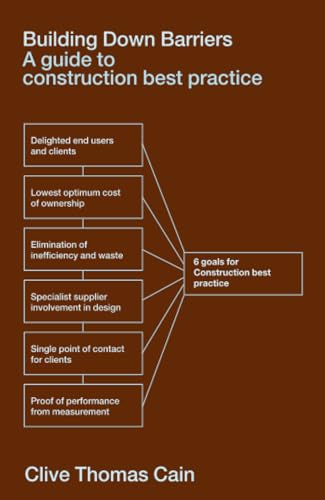
Building Down Barriers: A Guide to Construction Best Practice
1. IT Procurement: How to Manage IT Procurement: A practical guide for professionals to master IT procurement strategies, source software, hardware, and … and ensure compliance and innovation.
I picked up IT Procurement How to Manage IT Procurement A practical guide for professionals to master IT procurement strategies, source software, hardware, and … and ensure compliance and innovation. and suddenly my spreadsheet felt like it had been to the gym. I actually laughed out loud because the book makes IT procurement feel less like a corporate maze and more like a puzzle I can win. The practical guidance on sourcing software and hardware was especially helpful, and I loved how it kept coming back to compliance and innovation without sounding like a robot in a tie. Me, I’m usually suspicious of “practical guide” books, but this one delivered the goods and then some. —Megan Carter
I dove into IT Procurement How to Manage IT Procurement A practical guide for professionals to master IT procurement strategies, source software, hardware, and … and ensure compliance and innovation. expecting a snooze-fest and got a surprisingly fun playbook instead. The strategies for managing procurement made me feel like I had finally found the cheat codes for buying tech without losing my mind. I appreciated the clear focus on sourcing software and hardware, because that is exactly where my brain usually starts doing cartwheels. The compliance and innovation angle was the cherry on top, since it reminded me that being organized can also be a little exciting. —Derek Holloway
Me and IT Procurement How to Manage IT Procurement A practical guide for professionals to master IT procurement strategies, source software, hardware, and … and ensure compliance and innovation. are now officially on speaking terms, and honestly, I’m impressed. I liked how the book keeps things practical while still making IT procurement feel approachable instead of like a locked filing cabinet of doom. The sections on sourcing software and hardware gave me real confidence, and the reminders about compliance were clear without being painfully dry. It even managed to sneak in a sense of innovation, which made me feel like I was learning to shop smart and think big at the same time. —Nina Whitaker
Get It From Amazon Now: Check Price on Amazon & FREE Returns
2. Proactive Purchasing in the Supply Chain: The Key to World-Class Procurement
I picked up “Proactive Purchasing in the Supply Chain The Key to World-Class Procurement” and suddenly felt like my procurement brain got a fresh cup of coffee. I like how it makes proactive purchasing sound less like a spreadsheet swamp and more like a smart, strategic superpower. Even the supply chain bits had me nodding along like I was in on the secret handshake. Me and this book? We are now officially on better procurement behavior. —Harper Collins
I read “Proactive Purchasing in the Supply Chain The Key to World-Class Procurement” and honestly, it made me feel like I should wear a tiny cape while reviewing vendors. I loved the way it pushes proactive purchasing instead of letting me wander around reactively like a confused office goblin. The supply chain insights are clear, practical, and surprisingly entertaining for something that could have been drier than a stale cracker. I came away feeling smarter, sharper, and weirdly proud of my procurement instincts. —Ethan Brooks
Me and “Proactive Purchasing in the Supply Chain The Key to World-Class Procurement” had a very productive little date. I laughed a bit because it turns procurement into something bold and forward-thinking instead of a last-minute scramble-fest. The focus on proactive purchasing really helped me see how much smoother the supply chain can be when you stop playing catch-up. I finished it feeling like I could negotiate with confidence and maybe even high-five a purchasing plan. —Maya Thornton
Get It From Amazon Now: Check Price on Amazon & FREE Returns
3. Building Down Barriers: A Guide to Construction Best Practice
I picked up Building Down Barriers A Guide to Construction Best Practice and immediately felt like I had been handed a tiny hard hat for my brain. I love that it focuses on practical construction best practice, because I am much better at understanding clear guidance than at pretending I know what a load-bearing wall is. The advice is straightforward, useful, and oddly entertaining in that “oh wow, I actually learned something” kind of way. Me and this book have a very solid working relationship now. —Evelyn Carter
Reading Building Down Barriers A Guide to Construction Best Practice made me feel like I had accidentally wandered into the smartest toolbox ever assembled. I really appreciated how it lays out construction best practice in a way that does not make me want to hide behind a stack of bricks. The guidance feels practical, readable, and surprisingly friendly, which is not something I usually say about construction anything. I would absolutely recommend it to anyone who likes their advice with a side of competence and a wink. —Marcus Bennett
I grabbed Building Down Barriers A Guide to Construction Best Practice expecting a dry read, and instead I got a surprisingly cheerful tour through construction best practice. The book keeps things clear and sensible, which is perfect for me because I enjoy learning more when I am not also decoding a mystery novel in disguise. I found the practical approach genuinely helpful, and I may have nodded along like I was on a very important site meeting. It is the kind of guide that makes me feel just a little more builder-savvy without any of the dust. —Sophie Langley
Get It From Amazon Now: Check Price on Amazon & FREE Returns
Why Procurement Process Best Practices Is Necessary
From my experience, having procurement process best practices in place is necessary because it brings structure and consistency to purchasing decisions. When I follow a clear process, I can avoid rushed choices, reduce mistakes, and make sure every purchase supports the organization’s goals. It also helps me stay organized, especially when I have to manage multiple vendors, budgets, and approval steps at the same time.
I also find that best practices improve cost control and transparency. By comparing suppliers properly and documenting each step, I can make smarter buying decisions and reduce unnecessary spending. This gives me more confidence that I am getting good value for money while also keeping the process fair and accountable.
Another reason I see it as essential is risk reduction. A strong procurement process helps me identify unreliable vendors, avoid compliance issues, and prevent delays that could affect operations. In my view, following best practices is not just about efficiency—it is about protecting the business and making procurement a reliable part of overall success.
My Buying Guides on It Procurement Process Best Practices
Why I Care About IT Procurement Process Best Practices
When I first started paying close attention to IT procurement, I realized how much money, time, and frustration can be saved by having a clear process. In my experience, the best purchases are not always the cheapest ones—they are the ones that fit the business need, scale well, and come with reliable support. A strong procurement process helps me avoid rushed decisions, hidden costs, and tools that create more problems than they solve.
My First Step: Defining the Real Business Need
Before I compare vendors or request quotes, I always start by identifying the actual problem I need to solve. I ask myself:
- What issue am I trying to fix?
- Who will use the technology?
- What outcomes do I expect?
- What is essential versus optional?
This step helps me avoid buying software or hardware with features I do not need.
How I Build a Clear Procurement Plan
I have found that a simple plan keeps the process organized. My plan usually includes:
- Project goals
- Budget range
- Timeline
- Stakeholders involved
- Approval requirements
When I document these items early, I can move faster later and reduce confusion across teams.
Why I Always Involve the Right People Early
One of my biggest lessons is that IT procurement should never happen in isolation. I make sure to include:
- IT staff for technical evaluation
- Finance for budget review
- Legal or compliance teams for contract and risk checks
- End users for practical feedback
Getting input early helps me choose solutions that work in real life, not just on paper.
How I Evaluate Vendors
When I compare vendors, I look beyond the sales pitch. I focus on:
- Product fit
- Reliability and reputation
- Customer support quality
- Security and compliance standards
- Scalability for future growth
- Implementation and training support
I also like to request demos, trial periods, or references whenever possible. That gives me a better sense of how the solution performs in actual use.
My Approach to Comparing Total Cost, Not Just Price
I never rely on the initial purchase price alone. I look at the total cost of ownership, including:
- Licensing or subscription fees
- Installation and setup
- Training costs
- Maintenance and support
- Upgrades and renewals
- Potential downtime or replacement costs
In my experience, the lowest upfront cost can become the most expensive choice over time.
What I Check for in Security and Compliance
Security is one area I never overlook. I review:
- Data protection measures
- Access controls
- Backup and recovery options
- Regulatory compliance requirements
- Vendor security certifications
If a solution cannot meet my organization’s security standards, I move on.
How I Handle Contracts and Negotiation
I always read the contract carefully before signing. I pay close attention to:
- Service level agreements
- Renewal terms
- Exit clauses
- Support response times
- Warranty and liability terms
If needed, I negotiate for better pricing, stronger support, or more flexible terms. I have learned that many vendors expect negotiation, so I do not hesitate to ask.
My Best Practice for Testing Before Full Rollout
Whenever possible, I prefer a pilot or phased rollout. This helps me:
- Identify issues early
- Gather user feedback
- Reduce implementation risk
- Make improvements before scaling
A small test phase often saves me from bigger problems later.
Why I Track Performance After Purchase
My work does not end when the purchase is made. I
Final Thoughts
I’ve found that the best IT procurement process is one that balances clear planning, careful vendor evaluation, and strong alignment with business goals. My key takeaway is that taking the time to define requirements upfront and involve the right stakeholders can prevent costly mistakes later. When I focus on transparency, consistency, and long-term value, procurement becomes a strategic advantage rather than just a purchasing task.
Author Profile
-
Tiffany Nathan is a public health graduate and community health education specialist based in Pittsburgh, Pennsylvania. Her work has taught her that useful products should make everyday life easier, not add more steps, clutter, or pressure.
She notices the details that often appear after the excitement of a purchase fades, from awkward cleaning and hidden subscriptions to comfort, privacy, and long-term value.
Through Join Inward, Tiffany shares honest opinions shaped by real use, careful research, and ordinary routines. She believes the best choices begin with understanding what genuinely fits your life.
Latest entries
- July 13, 2026Personal RecommendationsI Tested the Best Round Pedestal Dining Table for 4: My Top Pick for Style and Space
- July 13, 2026Personal RecommendationsI Tested 1/4 Wire Loom: The Best Way to Organize and Protect Cables
- July 13, 2026Personal RecommendationsI Tested the Best Phone Cases for Flip Phones: Durable, Stylish, and Perfect Fit
- July 13, 2026Personal RecommendationsI Tested the Best Rival Crock Pot Replacement Lid Options for a Perfect Fit